Author Archives: Oscar Dyer

Too Expensive To Travel Abroad With the Kids? Check Out These Cheaper But More Fun Holiday Ideas

It’s no secret that travelling abroad for family holidays is a somewhat costly affair these days.

The cost of flights to overseas destinations has increased in recent years, and there has been much news coverage in the media in recent months about how travel agents and airline firms are seemingly charging up to double the price of flights and accommodation during school holiday times.

Photo Credit

For many parents feeling the economic pinch, travelling abroad with the kids is fast becoming an impossible dream. So if you are facing this dilemma, here are some alternative holiday ideas that you could consider for the summer holidays this year which will be just as fun and interesting for both you and your children!

Go on a rail adventure

Photo Credit

You might think this is somewhat unusual, but I can guarantee you that both you and your kids will have such an awesome time going on a rail adventure! There are plenty of heritage railways that you can check out such as the Severn Valley Railway in the West Midlands, and it’s a great way to go and explore some picturesque towns along the route whilst taking in some breathtaking scenery!

Some heritage railway operators even have workshops where the kids can get involved with refurbishing trains and equipment, while others even allow children to do some driving too!

CenterParcs

Photo Credit

One of the most-popular places to spend time with your children during the school holidays is in a ‘holiday village’ such as CenterParcs. These locations feature self-contained accommodation and have all sorts of facilities on offer, such as swimming pools, indoor and outdoor activities, water sports and more, all within a scenic woodland area.

And for the parents, there are a number of facilities for them too such as spa treatments, saunas, as well as a selection of restaurants and leisure facilities aimed at adults.

Camping

Photo Credit

One of the cheapest ways of spending some quality family time together is by going camping in the great outdoors! Believe it or not, Britain has a vast number of scenic campsites dotted around, so all you have to do is decide where you’d like to go camping and pitch up your tent!

Every parent should take their children camping at least once in their lives, as it means that the kids will be able to enjoy and appreciate nature and the great outdoors, and you can even teach them some essential skills which they will hopefully pass on to their children when they are older.

Caravanning

Photo Credit

Of course, camping isn’t for everyone, so the next best thing to pitching up a tent is staying in a caravan! You can usually stay in a caravan in the same places where you would go camping, and you can either hire a caravan, or buy your own and drive it to the campsite with you.

Caravans sometimes get bad press, but to be honest they are actually pretty luxurious. According to Butler Technik, they have all of the modern conveniences that you would expect to find in a hotel room, except that you are paying a fraction of the cost!

How to Ensure Your Garden is Safe for Your Kids to Play in

We can’t keep our eyes on our children every second of the day even though we try hard, and during the summer they need to get outside and play. Keeping our children safe is our prime concern through every waking moment and we would feel devastated if any harm befell them through our inaction.

There are different types of danger we need to consider when looking at our children’s safety. These fall into two categories; physical and security. We will take a look in this article, at some of the dangers that your garden may present to your children and what we can do to minimise them.

link

Security

This is an obvious danger no matter where you live or what style of garden you own. Good, strong fencing is essential to keep intruders out and children in. Now this needn’t mean turning your home into a fortress, just adding a physical barrier that will stop anyone having free access. The fence can be disguised or made from lots of different materials so there is no need for it to look ugly. The garden should have a good gate which is locked at all times.

Physical

There are a myriad of physical dangers that the garden presents to a child and negating them is usually down to common sense. Some of the dangers are life threatening and some may cause minor injury, so let’s take a look at a few of them and the solutions.


  • Water. A garden pond is a death trap to a young child. No matter how capable you think they are, leave nothing to chance. It seems that you only take your eye off the children for a moment and disaster happens. Ponds should be fenced off or, better still, go to a local fabrication company and have them build a steel grill that can be placed over the pond until the children have grown up. It will allow wildlife to flourish while keeping your kids safe. All too often we hear about children coming to harm in ponds.
  • Trees. Are your trees healthy and safe? If you own a large tree you may be wise to seek the opinion of a qualified tree surgeon. Structural weaknesses may not be immediately obvious to the untrained eye and large branches can fall. Low hanging branches can bring a headache to a child running from enemy soldier as well, so they may need removing.
  • Bushes. Shrubs often come with thorns that will scratch your kids as they explore the jungle or hide from invading aliens. The only answer is to dig them up and replace them with some more suitable planting. Perhaps a rose garden can wait until the kids are a little older.
  • Glass. Do you have a greenhouse or cold frame? As you are aware, broken glass is deadly. There is some useful safety film on the market that can be applied to your glass and, should it be broken, will help to ensure the shards remain stuck to the film and prevent your child coming to harm. Alternatively, replace your glass with plastic sheeting.
  • Garden tools. Many tools you use to garden are sharp and can be very dangerous when children try to play with them. The best way to avoid those kinds of accidents is to store your tools in a locked garden shed. If you do not have a shed, you can easily add one to your garden with a steel building kit. You can decide if a steel shed is right for you by reading Armstrong steel reviews from real people who also have them.


flickr

Now, after having said all of the above, I don’t wish you to have nightmares. With sensible precautions, there is no reason your kids can’t play their way through the summer in safe surroundings. Most of the subjects raised here are, you may say, obvious. Ye, they are, however, they still need stating otherwise children would not still be coming to preventable harm. So set to work in your garden and give your kids the safe, happy summer they deserve while having peace of mind yourself. No job is more worthwhile.

Fun Tips to Teach Your Kids to Learn Another Language

The first few years of your child’s life are usually the most special, and so it can be tempting to spend all day playing around and let them get up to all kinds of mischief. However, these early stages are when your little boy or girl will be most susceptible to new information, and so giving them some education from time to time could significantly improve their intelligence in later life. This is why many childrens books are based around learning, and why you should consider spending at least an hour every day teaching them something new.

language.jpg

Language is one of the most difficult subjects to pick up when you’re older, and so encouraging your children to take an interest from an early age could be a very wise move. At the end of the day, even if they never encounter a situation where using their newfound foreign language is required in real life, just being able to speak in a different tongue is likely to improve their options when leaving school or university. Don’t get me wrong, teaching a new language to a child is never easy, so you’re going to need some fun tips from an expert if you want to achieve the best results.

It must be your lucky day…

Turn Learning Into A Game

Most toddlers exhibit one of two main personality traits. They’re either extremely competitive, or in constant need of entertainment. Regardless of which category your child fits, there’s a learning technique that will suit. For competitive children, make it clear that whoever learns the most words first will be rewarded in some way. For children with active imaginations who need entertainment, find a way of turning the learning into a fun game. Perhaps you might like to get Snakes and Ladders out and add the stipulation that they’re unable to roll the dice until they’ve answered a language question correctly. Are you with me?

Use All Modern Technology

Presuming you have computers in your home with a good internet connection, it would be silly not to utilise all the benefits offered by this technology. You’ll find some brilliant foreign language learning games online, and when their skills are more advanced, you could even head on over to websites like learngerman24.net to help them improve even further. Incidentally, it’s worth mentioning that German, French and Spanish are the most common languages spoken in the world after English, so it’s best to stick with those three.

Visit A Relevant Country

If you’ve spent a couple of months teaching your child to speak French and you really want to encourage them to progress further, you’ll need to spark their interest somehow. This could mean booking a holiday to somewhere like Paris and letting them meet people who use the language as their first. This will help to provide a kind of context to their learning, and should inspire them to continue because they want to, not because you want them to.

Well guys, that’s all you’re getting out of me today, but I’m confident you will have learnt some skills that are sure to benefit your child in the near future. Just remember, young minds are like barren deserts; they need the seed of inspiration and the water of your knowledge to sprout life.

Good luck!

Photograph credit here

A Guide for Moms Going Thorugh a Divorce

As a parent, a divorce is probably one of the hardest things you’ll ever go through. Not only do you have to deal with your own feelings, you have to make sure your child is coping well too. However, by handling the situation correctly you should be able to make your child feel safe and secure. Millions of families have been what you’re going through and have survived, so follow our guide to get through it together:

mom.jpg

Explaining The Situation to The Children

Sitting your children down and explaining what is going on to them is very important, especially if they are old enough to realise what is going on. Try to explain it to them together, even if it means you have to stop arguing and call a truce for a while. Depending on the age of your child, you’ll need to give more/less explanation and say things differently. A child of 5 is going to understand less than a child of 15! Make sure you agree on what to say with each other beforehand, don’t pass off any blame, and don’t contradict each other. Your child needs to know you’ll both be there for them as always.

Minimise the Tension

Providing your partner isn’t too angry, abusive, or violent, try to minimise the tension to avoid causing emotional difficulties. These difficulties could affect your child way past childhood, so don’t criticize your ex in front of them or make them take sides.

Make Sure they Know You Love Them

Both parents need to make the child know that they love them no matter what, and they’ll always be there for them. Show them they won’t be abandoned and that they are always loved with plenty of reassurance.

Stick With Their Routine

Make sure they stick with any current routines at school, after school activities, seeing friends, and seeing family on both sides. Life will change for them, but the more stable it is the better.

Don’t Go it Alone

Make sure you let teachers and carers about what is happening so they are understanding of your child’s behaviour and can provide support where possible. You may also need to contact a company such as this immigration and family law solicitors based in Manchester to sort out any issues.

Be Open

Your child needs to know that it’s ok to discuss things with you. Their feelings and opinions are important, so be honest and open with them. Try to answer any questions they have truthfully in a way they’ll understand.

See It From Your Child’s Point of View

Your child won’t have the same concerns as you – they might simply be worried about pocket money, birthday parties, and other things that children worry about.

Protect Them from Adult Worries

Bear in mind that there’s no way your child can understand what you’re going through. To your child, saying sorry could work and they probably won’t be able to process why it hasn’t. Try to protect them from your worries, and confide in an adult rather than your children on your worst days.

You and your child/children will get through this, it will just take time, patience, and honesty from both/all of you. Stick together, get support, and you’ll be just fine!

Image Credit: Flickr

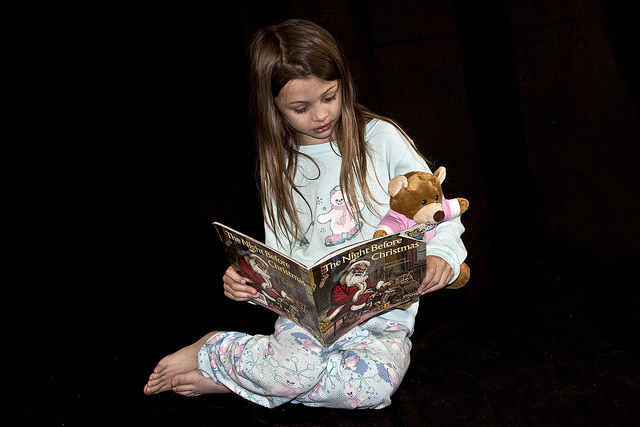
5 Tips For Encouraging Your Kids To Read This Year

At a time when electronic game consoles are incredibly popular, and most kids spend their free time gazing at a computer screen, it can be exceptionally difficult to make the little ones understand the benefits of getting stuck into a good book. Telling them about how much more intelligent they’ll be in later life simply doesn’t work in most cases. At the end of the day, children like to do things they enjoy, and so it’s your job to ensure reading becomes entertaining for them. Don’t worry too much if this sounds like a difficult task though, there are five handy tips in this article guaranteed to give you a helping hand.

Personally, I didn’t read a book until the age of 23, and although I was a late starter, jumping on the literary bandwagon changed my life in numerous ways ( I would have never become a professional writer for a start). My only regret is that I didn’t start sooner, and that’s something you need to help your kids to avoid. So, if you feel as passionate as me about reading and you want some great advice that could make all the difference to their perspective, read on…

1 – Reading With Them

This is the best piece of advice I can possibly offer all the parents out there. Showing your kids how to read by thumbing through their favourite stories at bedtime and ensuring the words are expressed with excitement and enthusiasm can seriously affect the way a child feels about literature. You don’t need to recite anything long and tedious, just find some popular childrens books and select the titles you feel would be most appropriate.

2 – Alternatives To Books

If you have a child who flat out refuses to become interested in books or e books, it might be time to look at alternatives like magazines or comic books. Anything you can find that sparks their imagination and encourages them to take an interest in text will benefit them greatly in later life. Just ensure you double check age ranges to ensure everything you hand them is suitable.

3 – Making The Stories Interactive

There are some amazing interactive books out there these days, so perhaps you should take a look at some and see if any appeal. That said; you can make any title interactive for kids by simply asking questions about the story along the way and ensuring they understand everything associated with the main plot.

4 – Turn It Into A Game

A friend of mine has a three year old daughter who hates cleaning up her own mess after playing. Do you know how he gets her to tidy her things away? He turns it into a game. You can do the same thing with reading. Create a chart and put it in your child’s bedroom, then mark off books that have been read. Once they’ve been through all the titles on the list, you can reward them in some way.

5 – Let Your Kids Pick Which Books They Read

Although most of you will want your kids to read certain titles, you should try to let them make the selection as often as possible. This will make them feel more grown up and more like they’re in control of their own destiny, rather than being forced to read for educational purposes.

So there you have it guys, follow those tips, and you should find that getting your kids to read becomes a much easier task. On top of all this, make sure you become members of your local library, as this is the best way to ensure your child gets to choose from the widest selection of titles, and it also makes for a good day out every couple of weeks.

Catch you next time folks!

Image link

Pain Relief in Labour: The Ins and Outs

Labour can be an uncomfortable, painful experience for many women. Of course the end result is worth it – you have your own beautiful bundle of joy! However, pain relief can be necessary, as some women find it too much to bear. There are many different options out there, from natural methods of relief to more medical forms of relief. Ideally, you should construct a birthing plan to help you, but it’s important to keep an open mind – birthing plans never go fully to plan! Here are the different methods of pain relief available to you during labour, and more information about each:

Image Author: Flickr

Self Help

Self help is a great way to relax yourself in labour, which can help you cope better with the pain. Self help includes:

  • Learning as much as you can about labour to ease your worries. Go to antenatal classes, watch programs, speak to your nurse/midwife/doctor, and read books.
  • Learn how to stay calm during the process, breathing deeply.
  • Trying different positions that feel right for you.
  • Bringing a partner or relative to support you.
  • Having a bath.

Hydrotherapy

Hydrotherapy is basically being in water during labour, and this can make the whole process feel less painful for you. Ask if you can have a bath, or use a birthing pool to make things more bearable. The temperature will be comfortable but not above 37 degrees.

Gas and Air

Gas and air is a mixture of oxygen and nitrous oxide. It won’t remove all of the pain, but it can make things more bearable. Women usually like this method as it’s easy to use and they feel more in control of the situation. You’ll take slow deep breaths through a mouthpiece as a contraction begins.

Pethidine

Pethidine is usually injected into the thigh or buttock and can help you to relax, which will in turn help you to feel less pain. The effects last between 2-4 hours, and it takes about 20 minutes to work. There are some side effects to be aware of with this kind of injection, including:

  • Sickness and forgetfulness.
  • Can make it difficult to push if it hasn’t worn off by the end of labour.
  • Making it difficult for the baby to have it’s first feed.

TENS

Some hospitals allow you to use their TENS machines, or you’re free to rent one. They are most effective for pain relief during the early stages of labour, where pads are placed on to your back. Pulses are then sent from the machine, and these are thought to help your brain release more endorphins, lessening the pain. They are also thought to distract you from the pain you’re in and help you to feel more in control.

Epidural

An epidural is a local anesthetic, and numbs the nerves that carry pain impulses from the birth canal to the brain. An epidural can give complete pain relief for most women. It’s helpful in women who are having a very long labour, or those who are getting stressed. There are side effects, including:

  • Loss of feeling in your legs.
  • Dropped blood pressure.
  • Prolonged second stage of labour.
  • Finding it difficult to pass urine.
  • A sore back.
  • Headaches.

There are other methods of pain relief available during labour, but the methods above are the most popular. Discuss other methods with your midwife or doctor and decide what’s best for you!